Solar panels generate electricity by capturing sunlight through photovoltaic cells. These cells produce direct current, known as DC. An inverter converts this electricity into alternating current, or AC, which is used by most appliances in homes and businesses. The amount of electricity generated varies with sunlight, shading, panel orientation, and other conditions. During daylight hours, the system can supply connected appliances, depending on its output and your electricity demand.
What happens to any extra energy depends on the system design. A system with compatible battery storage can store energy for later use, while a grid-connected system may export surplus electricity where this is permitted and supported. At night, solar panels do not generate electricity, so power must come from batteries, the grid, or another source. Backup during an outage also requires suitable equipment and configuration; having solar panels alone does not automatically keep your appliances running.
“From sunlight to everyday power, each component has a role to play.”
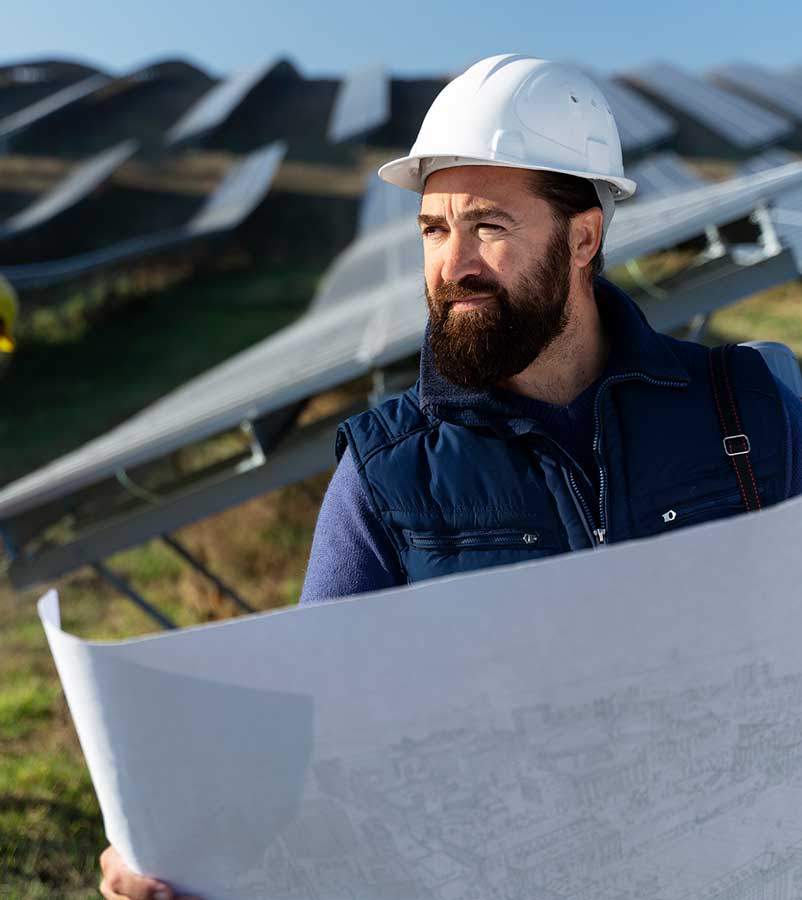
The Role of Each System Component
Solar panels, the inverter, and optional batteries each perform a different job. Panels produce electricity from sunlight, while the inverter manages the conversion needed to supply AC appliances. Batteries store energy for later use when included in the system. Mounting structures hold the panels in place, and electrical cables connect the equipment. Protection devices are also needed as part of a properly designed installation.
These components must be selected to work together. Panel capacity affects potential generation, inverter capacity limits the power it can deliver, and battery capacity influences how much energy can be stored. The appliances operating at any moment also affect how the available energy is used. A monitoring display or app can show useful information, depending on the equipment. Understanding these roles makes it easier to discuss a proposed system and know what it is designed to provide.
Solar Power Throughout the Day
Solar production changes throughout the day as sunlight conditions change. Generation typically rises after sunrise and falls toward evening, while clouds and shading can reduce output. Your electricity demand changes too, depending on which appliances are running. When production is lower than demand, the remaining power must come from another available source, according to the system’s design.
With compatible battery storage, energy can be saved for use after sunset or at other times when needed. However, stored energy is limited, and operating time depends on the battery’s usable capacity and the connected loads. A grid connection or another power source may also support the installation. Understanding how production, consumption, and storage interact helps you set realistic expectations and ask the right questions about your system’s daily operation.